
How to Filing a Lawsuit Against a Company? Step to Step Guide
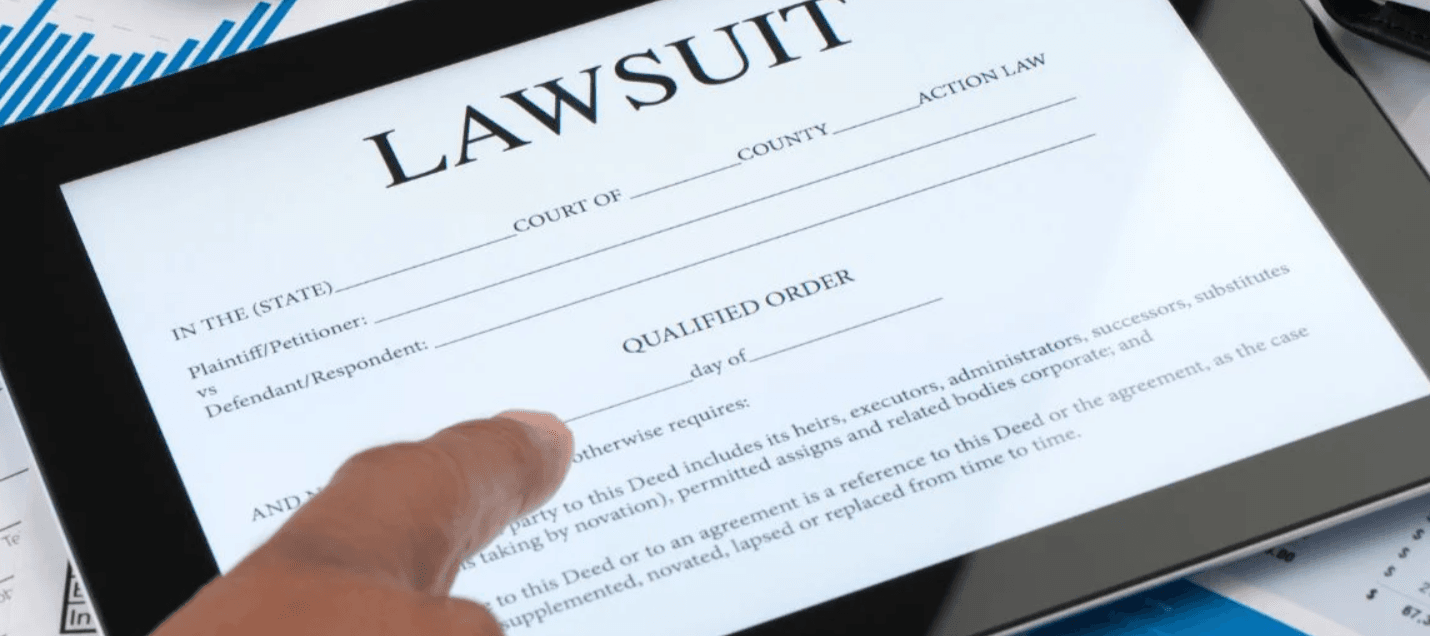
A lawsuit filed against a company is complicated and requires extensive preparation, documentation, and knowledge of the legal procedure. Whether you’re seeking compensation for personal injury or breach of contract or discrimination in employment The procedure generally involves a series of steps. This guide provides an in-depth outline of the most important steps to bring an action against a company to help you to navigate the legal system and safeguard your rights.
Step 1: Determine the Legal Basis for Your Claim
In the beginning, you must determine the basis of your complaint. Common grounds for suing an organization include personal injury (often caused by negligence) or breaches of contract violations of consumer rights as well as discrimination and product liability. A clearly defined claim supported by evidence is vital as it determines the legal procedure, necessary documentation, and usually the location where the case will be filed. It is essential to gather the relevant details related to your case, such as photographs, receipts, contracts medical records, as well as any other documentation supporting your claim.
Step 2: Research Statute of Limitations
Every kind or claim has an expiration date that is the period within which you need to submit your lawsuit. The timeframe varies based on the state and the type of claim. For instance personal injury cases typically are limited to two years and contract disputes might permit a longer time. If you fail to file your claim within the timeframe specified generally will stop you from filing the claim, therefore making sure you are aware of these deadlines early during the procedure is essential.
Step 3: Identify the Correct Court and Jurisdiction
The location (location) and the venue (specific court) where you are filing your lawsuit is an essential step. Generally speaking, you can file a lawsuit in a state court in the area where the business is located or where the incident took place. In some cases that fall under federal law, like intellectual property or employment discrimination disputes, you could prefer federal court. However, complicated cases can occasionally be filed in either federal or state court according to the type of claim and the location where the parties reside. A consultation with a lawyer is frequently helpful when deciding on the appropriate court for your particular case.
Step 4: Draft a Complaint
It is your main legal document that outlines your claim, and should contain a clear explanation of the facts and the legal basis of your case, as well as the specifically sought-after remedy (such for financial damages) you’re seeking. A majority of complaints contain details on the business that you are suing, relevant events, as well as evidence that supports your allegations. The filing fee is generally a requirement and vary based on location and the type of case. When a case is filed, the court will issue an order number and a summons.
Step 5: Serve the Complaint to the Company
Service of procedure is the legal process of notifying a company of the lawsuit. This process ensures that the defendant is informed of the legal proceeding and has the opportunity to reply. A lot of companies have a authorized agent to handle legal matters and you’ll have to confirm and properly serve this person with an original copy of the summons and complaint. This can be accomplished through certified mail or a process servicer or any other method that is approved based on the laws of your state. The proper method of service is vital and a failure to provide it could result in delays or even dismissal.
Step 6: Engage in the Discovery Process
Discovery is the stage in which both parties collect and exchange information pertaining to the incident. This could include witness testimony and documents, emails as well as other proof. During discovery, parties could make use of subpoenas to get documents or demand witness appearances. Discovery is a lengthy and sometimes lengthy portion of the litigation process, especially when it involves well-resourced businesses. It is crucial to prepare thoroughly since discovery can be the basis of a successful legal argument.
Step 7: Prepare for Possible Settlement
A lot of lawsuits are settled through settlements prior to going to trial. During this time the parties negotiate terms that could include an amount of money or other solutions. Settlements typically are quicker and more affordable than a trial. Legal representation is essential in settlement negotiations, since an experienced lawyer will ensure that the settlement covers your needs and you fully understand the implications before signing.
Step 8: Trial and Verdict
If settlement negotiations fail to be successful, the case will be heard in court. Both sides will be required to present evidence and arguments in front of jurors or judges and they decide the final outcome of the case. Trials may last for a long time according to the complexity of the case and carry greater danger since the verdict is at the discretion of the judge. However, a victory in a trial could result in an array of options that include punitive and compensatory damages, and court-ordered adjustments to the way in which the company conducts business.
Step 9: Post-Trial Actions and Appeals
Following a decision, each party has the option to appeal the verdict if they think that there was a legal mistake during the trial. Appeal cases are usually made with higher courts and are focused on specific legal issues, rather than reevaluating the entire trial. If the appeal is successful, it could lead to a fresh trial or an reversal of the decision. However appeals can take a long time and expensive, which makes an important factor in the process of litigation.
Alternatives to Lawsuits: Mediation and Arbitration
Before you file a lawsuit, take into consideration other disputes resolution (ADR) alternatives like arbitrage or mediation. Mediation is a process that involves an impartial third party that helps to reach a mutually agreed-upon solution. Arbitration however is a more formal procedure in which an arbitrator listens to evidence and then makes an unconstitutional decision. Both procedures are typically more efficient and less threatening than litigation, however arbitration might limit rights to appeal, based on the terms of the agreement.
Conclusion
A lawsuit filed against a business is a complex procedure that requires meticulous preparation and documentation as well as adherence to legal guidelines. From determining the right legal basis to initiating discussions about settlement and discovery every stage has its own particular obstacles and possibilities. In the case of complex cases, speaking with a lawyer will offer the direction and knowledge required to manage the procedure effectively. Knowing your rights and preparing carefully are the best way to increase the chance of a successful result in any lawsuit filed by a company.
