
Can You Go to Jail for Speeding? Complete Guide
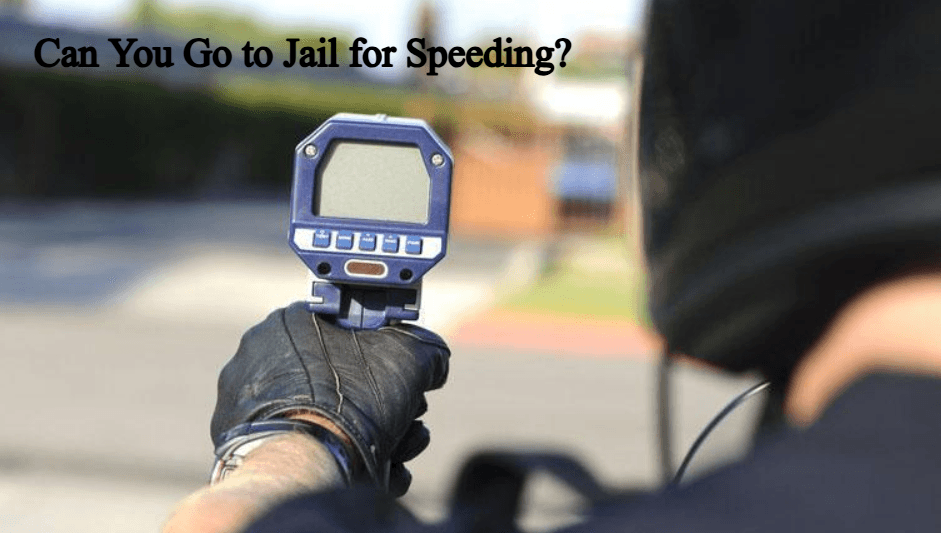
Speeding is among the most frequent traffic violations within the United States. Many drivers are issued tickets for speeding every year, and for the majority the cases, they are rewarded with an increased fine and insurance rates. However, what happens if you’re speeding well beyond the threshold or in dangerous conditions? Can you really be in jail for speeding?
Yes it is possible, but it’s contingent upon the speed you were traveling at as well as the location you were driving and if anyone was injured or endangered. While speeding tickets that are not a crime are generally civil infractions reckless or excessive speeding may be considered criminal and result in prison time.
Let’s look at the consequences of speeding when it is a crime that can be punished with jail time.
Ordinary Speeding Is Usually a Civil Infraction
In the majority of states, driving at a speed that is a bit higher than the posted limit, for instance 10 to 15 mph above is regarded as an infraction of traffic or civil law and is not considered criminal.
Consequences typically consist of:
- A monetary penalty (often 50-$300).
- Points are added onto your driver’s record.
- Possible increases in insurance.
You will not be in jail for this kind of offense. If you don’t pay attention to the notice or do not appear at court, that could cause a bench warrant to your arrest, which means you could end up in jail because you didn’t handle the ticket and not the speeding in itself.
When Speeding Becomes a Crime
Speeding can become an offence that is criminal when it goes above and beyond carelessness and turns into reckless or risky driving.
Here are some instances where prison is a possibility:
- Reckless driving: Most states classify reckless driving as a misdemeanor which is punishable with fines and up to 90 days or one year in jail. Driving at a very high speed (for instance 30+ mph above the limit) typically qualifies.
- Excessive speeding: Some states have specific “super speeder” laws. In Georgia for example driving at speeds of more than 85 mph in any direction or 75 miles per hour on a two-lane highway could result in additional fines and possibly imprisonment.
- Construction Zones or School Zones: Speeding in these areas is considered more severely because of the danger to employees or children. For repeat offenders, they could be sentenced to jail.
- Street Racing or Speed Competitions: Participating in illegal racing is a crime in every state. Jail sentences be as short as just a few days up to a long time, especially for first-time offenders.
- causing death or injury: If speeding leads to a crash that harms people or causes death, the prosecutor may accuse you of vehicular manslaughter or vehicular assault which are felonies and punishable by a sentence of years in prison.
That’s why the context is important. A speed of 10 mph in an empty road is one thing. Going 40 mph faster in a neighborhood or speeding through traffic is a different.
Examples by State
Every states has its own standards and penalties:
- California: Speeding over 100 mph could result in the possibility of up to thirty days jail, and the suspension of your license.
- Virginia: Driving greater than 85 miles per hour or 20 miles over the limit is considered reckless driving, which is a Class 1 misdemeanor that can be punished with as long as 12 months in prison and fines as high as $2500.
- Texas: Extreme speeding that causes harm to others could cause reckless driving to be charged with a possible sentence of 30 days prison.
- Florida: Street racing or fleeing from an officer in a hurry could result in as much as one year in prison in the case of a first-offense.
In states where speeding on its own isn’t a crime when it’s combined with risky behaviors — such as speeding between traffic, tailgating or driving under the influence could result in an indictment.
Aggravating Factors That Increase Jail Risk
The courts look beyond only the number that appears on your speedometer. It is more probable that you will get prison time if the speeding is linked to:
- DWI (DUI).
- fleeing the police in the face of a stoppage.
- Drivers who do not have a valid driving license or insurance.
- Dangerous to pedestrians and minors.
- Speeding in the past or other reckless driving charges.
In these instances the simplest ticket can become a criminal conviction that could lead to imprisonment.
What Should You Do If You’re accused of criminal speeding
If you get a ticket which identifies the offense with reckless driving as well as a crime take it seriously. You must:
- Contact an attorney right away. A lawyer can occasionally negotiate lower charges or fines.
- Participate in all Court proceedings. Missing court dates could result in warrants for arrest.
- Be a good driver and complete defensive driving classes which can assist in reducing penalty.
A conviction for a traffic offense will be recorded on your criminal record and may affect your insurance rates, employment and even your capacity to drive.
Final Thoughts
Can you be sent in prison for speeding? Yes, however only if your speed or behavior rises to a level that is criminal.
Regular speeding is a cause for fines. However, reckless driving, excessive speeds, or inflicting harm during speeding could put you in prison.
The lesson to be learned The lesson is that speeding isn’t only about breaking traffic laws It’s about putting at risk your life as well as the lives of others. The faster you speed the less control you’ll have, and the more severe the consequences get.
An instant of frustration in traffic can quickly be a criminal conviction that will be with you for a long time. Be patient and you’ll be more secure, safer and can keep you from prison.
Are you interested in having me design this version SEO-optimized and include keywords, meta description and formatting that is suitable for online publication?
